

When you hear the measurement 5 millimeters, it’s easy to imagine something almost too small to notice—but this tiny length shows up in more places than you might think. Whether you’re reading product details, fixing something at home, or just curious about everyday measurements, understanding what 5 mm looks like can make a big difference. It helps you picture sizes more accurately, avoid mistakes, and better judge the small objects you handle daily.
Even though 5 mm is only half a centimeter, it’s a surprisingly common size in tools, gadgets, clothing accessories, and even food. From the thickness of small pills to the height of LEGO studs, you interact with 5-millimeter objects all the time without realizing it. In this guide, we’ll break down exactly how long 5 mm is and compare it to familiar items so you can visualize it instantly-no ruler needed.
How Long Is 5 Millimeters?
Five millimeters may sound tiny, but it’s a very practical measurement once you understand it. In simple terms, 5 mm equals half a centimeter, which is written as 0.5 cm. If you use inches, 5 millimeters is about 0.196 inches, just a little less than one-fifth of an inch. It’s small enough to go unnoticed in daily life, yet important in areas where precision matters—like electronics, medicine, crafting, and design.
To help you visualize it, think of items you use every day. A grain of rice, the height of a pencil-top eraser, or the width of a drinking straw all come close to 5 mm. This tiny measurement shows up constantly, even if we rarely stop to notice it. Once you understand how small 5 millimeters really is, you’ll start recognizing it in buttons, tech ports, pills, and many other objects around you.
| Millimeters (mm) | Centimeters (cm) | Inches (in) |
| 5 mm | 0.5 cm | ~0.196 in |
This simple table helps you see the conversion quickly, whether you’re measuring for school, work, or DIY use.
Things That Are 1 Millimeter (mm) Long – Explore even smaller everyday objects to compare and visualize sizes smaller than 5 mm, perfect for precise measurements and tiny DIY projects.
Everyday Things That Are 5 Millimeters
Let’s now explore what real-world objects measure about 5 millimeters. These are items you likely use or see every day, so they give you a clear mental image of just how long 5 mm really is.
| Items | 📏 Measurement | ⚙️ Configuration / Notes | Short Description |
|---|---|---|---|
| ✨ Standard Shirt Button | 5 mm | Diameter | Small buttons for shirts or baby clothes, fits neatly through buttonholes. |
| 🍚 Grain of Rice | 5–6 mm | Length-wise | A single grain of uncooked long-grain rice, easy visual comparison. |
| 🧱 LEGO Brick Stud | 5 mm | Height | Raised circular stud on LEGO bricks, precise and consistent. |
| 💊 Aspirin Tablet | 5 mm | Thickness | Typical over-the-counter pill, ensures accurate dosage. |
| 🥤 Drinking Straw | 5 mm | Opening diameter | Standard plastic straw’s width, visualizes small circular measurement. |
| 🔌 USB-C Port | 5 mm | Width | Standardized tech opening for smartphones, laptops, and tablets. |
| 💳 SIM Card | 5 mm | Thickness | Fits into trays easily, durable for multiple insertions. |
| 🪟 Glass Panel | 5 mm | Thickness | Used in phone screens, display cases, or small partitions. |
| 🎛️ Remote Button | 5 mm | Height | Slightly raised button for easy pressing, low-profile design. |
| 🪙 Three Nickels | 5 mm | Stacked | Three US nickels stacked together give approximately 5 mm. |
| 💿 Four CDs | 4.8 mm | Stacked | Compact discs stacked together, close visual approximation. |
| ✏️ Pencil Top Eraser | 5 mm | Height | Standard pencil eraser, ideal for correcting small errors. |
| 🎲 Standard Dice (Miniature) | 5 mm | Side length | Travel-size dice, perfect for compact gameplay. |
| 💍 Wedding Ring | 4–5 mm | Width | Slim wedding bands or engagement rings, elegant yet visible. |
1. A Standard Shirt Button

Many dress shirts, baby clothes, and blouses use small buttons that are approximately 5 millimeters in diameter. These buttons are compact, lightweight, and designed to fit neatly through narrow buttonholes.
If you’ve ever struggled to button up a tight collar or a child’s shirt, you’ve likely handled a 5 mm button. It’s a subtle but essential example of how this tiny measurement plays a role in fashion and daily wear.
Also Read <<>>> How Long Is 2 Millimeters? Examples to Visualize 2mm Easily
2. A Grain of Rice (Length-Wise)

A single grain of uncooked long-grain rice typically measures about 5 to 6 mm in length. That makes rice one of the most relatable visual examples of this measurement.
So, if you’re cooking or simply grabbing a handful of dry rice, you’re already looking at multiple natural examples of the 5 mm length in action.
3. A LEGO Brick Stud Height
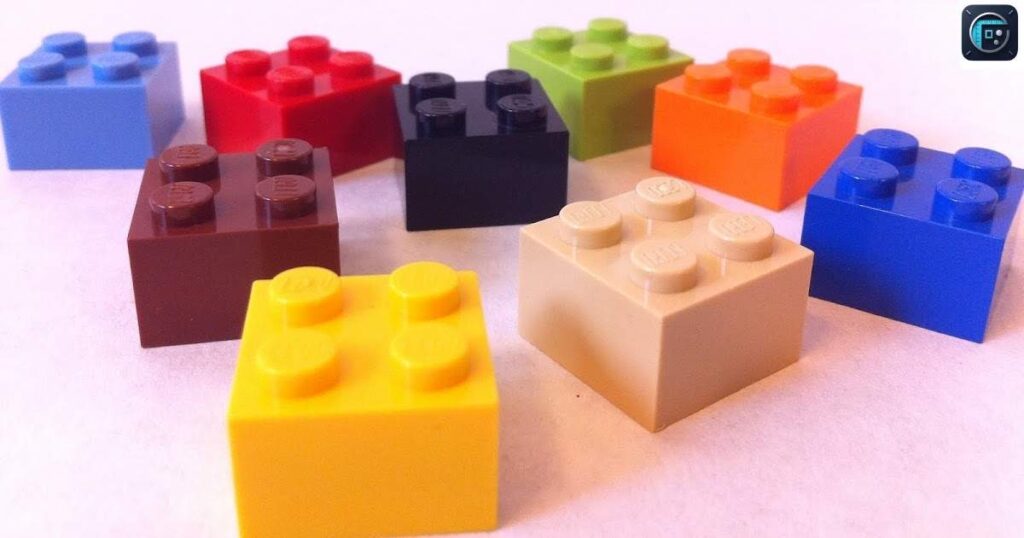
The raised circular stud on a LEGO brick is designed to be about 5 mm tall. LEGO sets are built with exact precision, which makes them perfect for size comparisons.
Whether you’re a kid building a model or an adult hobbyist, you’ve handled 5 mm without even realizing it — in one of the most creative ways possible.
4. A Regular Aspirin Tablet

Many over-the-counter aspirin tablets are about 5 mm thick. While the diameter may vary, the tablet’s thickness tends to stay within this small range.
This measurement is important for consistency in dosage and swallowability, especially in healthcare and pharmaceutical settings where every millimeter counts.
5. The Width of a Standard Drinking Straw

A basic plastic drinking straw — like the kind you get with fast food — has an opening roughly 5 mm wide. That makes it a great reference for small circular measurements.
You can easily visualize 5 mm just by looking at the top of the straw, which you likely use on a daily basis without thinking about its size.
6. USB-C Port Opening
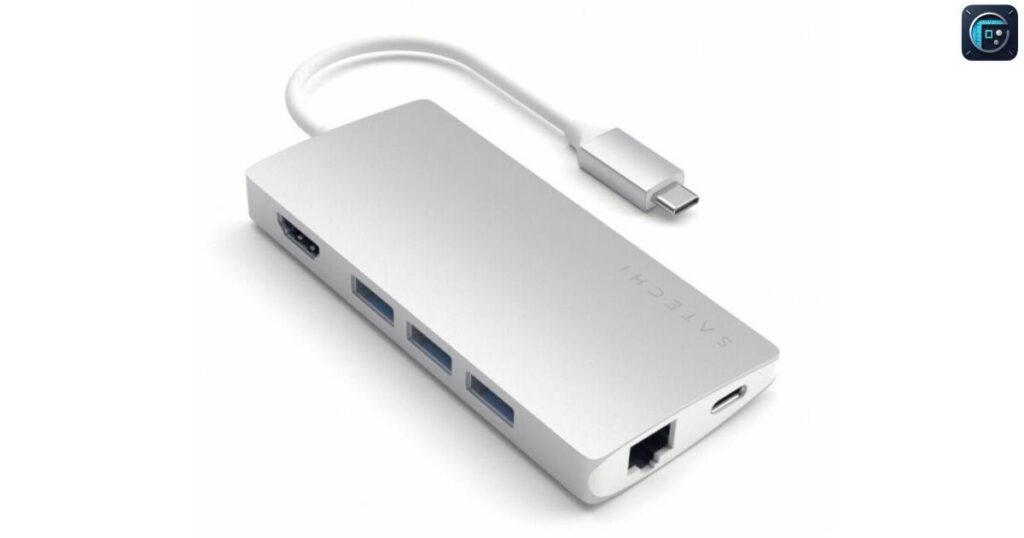
The opening on a USB-C port is around 5 mm wide. It’s a standardized size that has become a staple on smartphones, laptops, and tablets around the world.
Next time you plug in your charger or a USB-C cable, you’re interacting with a modern tech component that perfectly matches the 5 mm benchmark.
7. SIM Card Thickness

Your phone’s SIM card — the small chip that connects it to your mobile network — is generally about 5 mm thick. This thickness helps it slide easily into its tray while staying durable enough for multiple uses.
Because SIM cards are designed for global compatibility, 5 mm is a measurement you’re literally carrying with you every day — whether you notice it or not.
8. Glass Panel

Thin sheets of tempered or laminated glass used in phone screens, kitchenware, or display cases often come in 5 mm thickness. It’s a sturdy yet sleek option.
This thickness provides enough strength to prevent cracking while keeping the design lightweight — perfect for smartphones, tables, and even shower doors.
9. Remote Button

Rubber buttons on a TV or air conditioner remote control often stick out about 5 mm from the surface. This small height allows for easy pressing while maintaining a low profile.
These tactile buttons give just enough depth for your fingers to register feedback, without making the remote bulky or awkward.
10. Three Nickels

Stacking three U.S. nickels (each about 1.95 mm thick) results in a combined height of approximately 5 mm. It’s a great physical comparison for U.S. readers.
If you don’t have a ruler handy, this is an easy way to visualize 5 mm using pocket change — practical and clever.
11. Four CDs

Four standard compact discs (CDs) stacked together measure just under 5 mm in total height. Each CD is about 1.2 mm thick.
So if you’re holding a small pile of old music or data discs, you’ve got a ready-made visual reference for what 5 millimeters feels like in your hand.
12. Pencil Top Eraser
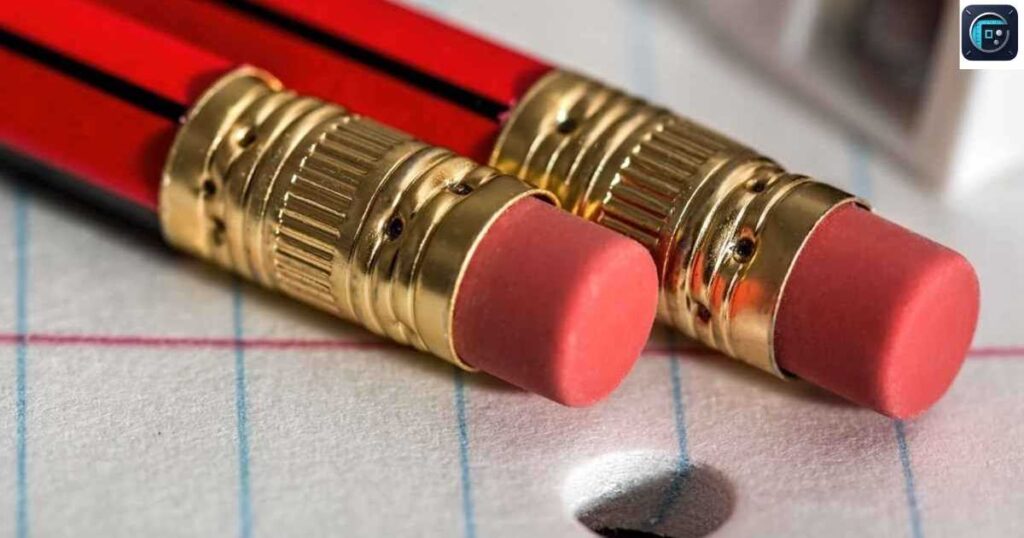
The eraser on the end of a standard wooden pencil is usually about 5 mm tall. It’s just enough to erase a few lines without taking up much space.
This is one of the most classic, classroom-ready comparisons — something nearly everyone has used.
13. Standard Dice (Miniature Size)
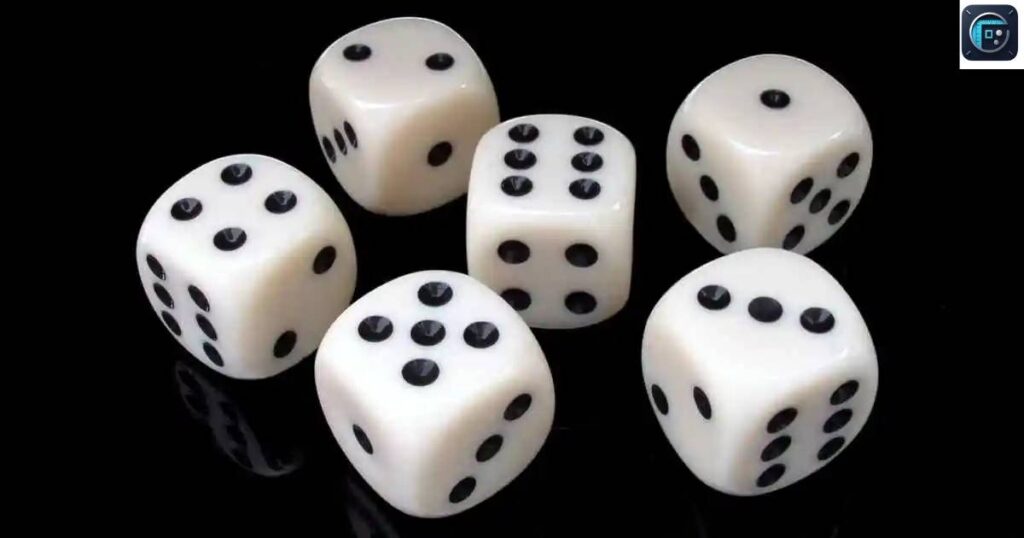
A small travel-sized die used in board games often measures about 5 mm on one side at the corners. While full-sized dice are bigger, mini versions give you a true 5 mm look.
They show how compact design still allows for function, as you can roll and read numbers on even a tiny cube.
14. Wedding Ring Width
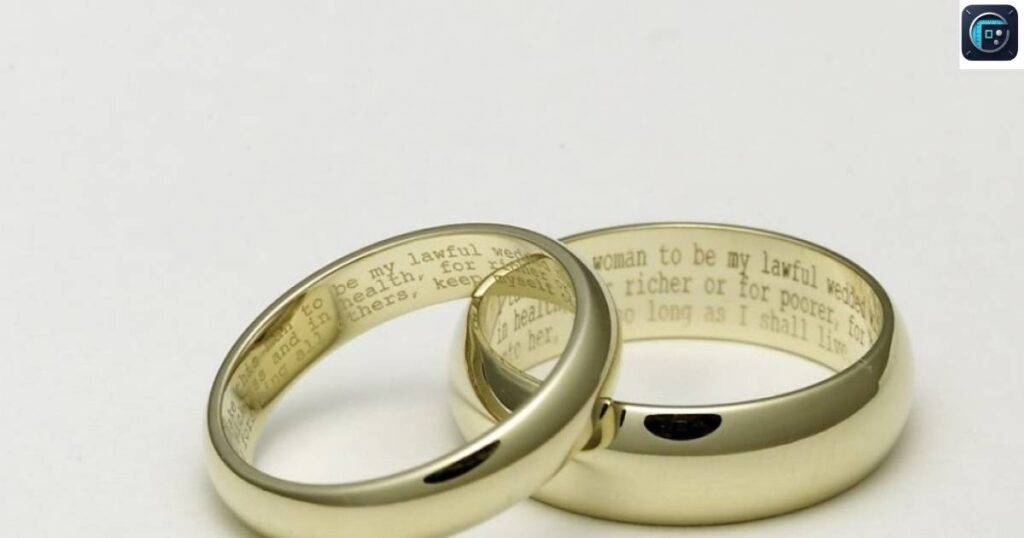
Many slim wedding bands or engagement rings have a width of 4 to 5 millimeters. This width strikes a balance between elegant and visible.
When you slide a ring on your finger, especially one that’s described as “slim” or “minimal,” you’re often wearing a piece that demonstrates the real-world feel of 5 mm.
How Much Is 5 Millimeters in Medicine?
In medicine, precision can be life-saving — and 5 mm is a common reference point. Doctors, pharmacists, and medical device manufacturers use it regularly.
- Tablets and capsules: A small pill like aspirin or paracetamol is around 5 mm thick.
- Tumor size: In radiology, a 5 mm tumor can be an early-stage finding that triggers monitoring or intervention.
- Syringes and needles: While the volume (mL) differs, some needle lengths are as short as 5 mm for subcutaneous injections.
So when a physician mentions 5 mm, they’re talking about something barely the width of a pencil eraser — but medically significant.
How Long Is 2 Millimeters? Things That Are 2 mm – See objects that are twice the size of 5 mm to better understand scaling, stacking, and everyday measurements.
How Many Millimeters Is 2.5 Inches?
Conversions help when you want to bridge metric and imperial systems. Since 1 inch equals 25.4 millimeters, here’s the math:
2.5 inches × 25.4 mm = 63.5 millimeters
So, 2.5 inches is equal to 63.5 mm. This is especially helpful in contexts like international tools, screen sizes, or print dimensions, where specs may switch between units.
Conclusion
Understanding how long 5 millimeters is may seem like a minor detail, but it’s surprisingly useful in daily life. From small tech gadgets like USB-C ports and SIM cards to everyday items like shirt buttons, pencil erasers, and coins, this tiny measurement pops up everywhere. Visualizing 5 mm using real objects helps make abstract numbers tangible, giving you a clearer sense of scale for small items.
Whether you’re crafting, cooking, measuring for a project, or just curious, knowing what 5 mm looks like makes tasks easier and more precise. By comparing it to stacked coins, CDs, or tiny LEGO studs, you can quickly estimate lengths and understand proportions, making 5 millimeters a surprisingly practical measurement in everyday life.
FAQ’s About 5 Millimeters Long
How big is 5mm visually?
Five millimeters is very small, about half a centimeter. To visualize it, think of the thickness of a pencil eraser, the width of a standard shirt button, or the height of a LEGO brick stud. Though tiny, it’s noticeable enough to use in daily measurements and precise tasks like crafting, electronics, or small DIY projects.
What object is the size of 5 mm?
Several everyday objects measure around 5 millimeters. Examples include a USB-C port opening, a pencil-top eraser, three stacked nickels, four CDs stacked together, or the width of a small button. Using these tangible items makes it easier to imagine this tiny measurement in a real-world context.
How long is 5mm actual size?
In exact terms, 5 millimeters equals 0.5 centimeters or about 0.196 inches. It’s roughly the width of a pencil lead or the thickness of five stacked credit cards. While small, this size is often important in precise measurements, like jewelry, electronics, or medical tools.
What is the same size as 5mm?
Objects that match 5 millimeters in size include the thickness of standard aspirin tablets, the opening of a plastic drinking straw, a slim wedding ring, or the height of a small LEGO brick stud. These comparisons help you relate this tiny length to everyday items for easier visualization.
How big is 5 mm around?
Five millimeters is a compact measurement that’s easy to overlook. It’s slightly smaller than the diameter of a small coin and roughly the height or thickness of everyday objects like pencil erasers or stackable CDs. Understanding 5 mm in context helps when measuring, estimating, or comparing small items in daily life.