

Visualizing 30 feet can be tricky if you only think in numbers. While 30 feet equals about 9 meters or 10 yards, it’s much easier to grasp when you compare it to real-life objects. Whether it’s a school bus, a small building, or even two cars parked end-to-end, seeing the measurement in action helps you understand the scale in a practical way.
In this guide, we’ll explore 13 common things that are around 30 feet long or tall. From vehicles and buildings to animals and recreational items, these examples make it simple to picture this distance in everyday life. By the end, you’ll have a clear mental image of what 30 feet looks like—no ruler required.
How Long Is 30 Feet?
30 feet is equivalent to 9.14 meters or 10 yards. It’s a common measurement used in both everyday life and construction. For instance, it’s about the length of a standard airport shuttle bus or a semi-trailer truck cab. You’ll often see 30-foot lengths used for reference in transportation, architecture, and even recreational activities.
In visual terms, 30 feet is about the length of two standard sedans parked end-to-end. This distance is long enough to span across a football field’s 10-yard line, but it’s still manageable in tight spaces, like parking lots. By comparing it to real objects, you can better understand how this distance fits into your surroundings.
What Does 30 Feet in the Air Look Like?
Standing below a 30-foot structure, like a telephone pole, gives you a real sense of what 30 feet in height looks like. It’s tall enough to make you look up, but not so overwhelming that you can’t estimate the distance. The top of a telephone pole stands at this height, often towering over most people’s heads.
When you imagine being at a 30-foot height, it’s similar to standing on the third floor of a building or the top of a small ladder. You’re high enough to get a panoramic view, but still within a safe, approachable range. It’s a great benchmark for understanding heights in urban and outdoor spaces. Check out our detailed guide on how long 40 feet really is and the everyday things that match this size.
13 Things That Are 30 Feet Long or Big
Explore 13 real-life objects that are exactly 30 feet long or big-from vehicles and animals to buildings and tools. These examples help you easily visualize what 30 feet looks like in the real world.
| 📦 Item | 📏 Measurement | 📝 Short Description / Configuration |
|---|---|---|
| 🚌 Airport Shuttle Bus | 30 feet | Standard airport shuttle bus length, perfect for visualizing 30 feet in motion. |
| 📞 Telephone Pole | 30 feet | Typical height of a street telephone pole, giving a real sense of vertical distance. |
| 🎳 Half a Bowling Lane | 30 feet | Half the length of a bowling lane, ideal for interactive estimation indoors. |
| 🚛 Semi-Trailer Truck Cab | 30 feet | The cab section of a semi-truck, stretching roughly 30 feet long. |
| 🏢 3-Story Building | 30 feet | Average height of a three-story building, each story ~10 feet tall. |
| 🏊 Olympic Swimming Pool Width | 30 feet | Width of smaller competitive or practice pools, useful for horizontal comparison. |
| 🚗 Two Standard Sedans | 30 feet | Two standard sedans parked bumper-to-bumper for a practical visual reference. |
| 🦈 Two Great White Sharks | 30 feet | Two adult sharks lined up nose-to-tail, showing 30 feet in marine life. |
| ⛵ Cabin Cruiser Boat | 30 feet | Small recreational boat with cabins, bedrooms, and kitchen space. |
| 🧍♂️ 18 Adults Standing | 30 feet | Lining up 18 average-height adults side by side equals about 30 feet. |
| 📦 30-Foot Shipping Container | 30 feet | Standard shipping container used in freight, storage, and even architecture. |
| 📢 Billboard | 30 feet | Common width of large roadside billboards, easy to visualize from highways. |
| 🚐 Recreational Vehicle | 30 feet | Length of many Class C RVs or travel trailers, providing full mobile living space. |
1. Airport Shuttle Bus

An average airport shuttle bus measures about 30 feet in length, making it an excellent real-world reference. These buses are designed to transport passengers and luggage between terminals or parking lots with ease and efficiency. If you’ve ever waited at the airport curb, you’ve likely stood beside one without realizing its exact size.
The length of the shuttle gives it the space needed for multiple rows of seating, wheelchair access, and storage racks. Despite its size, it remains maneuverable, especially in busy airport loops. Next time you step inside one, look from front to back – you’ll be standing in a vehicle that stretches a full 30 feet.
It’s one of the most relatable examples of 30 feet in motion. These buses are a part of daily travel for millions, so it’s no surprise they’re often used as a visual measurement reference.
Also Read <<>>> Things That Are 40 Feet
2. Telephone Pole
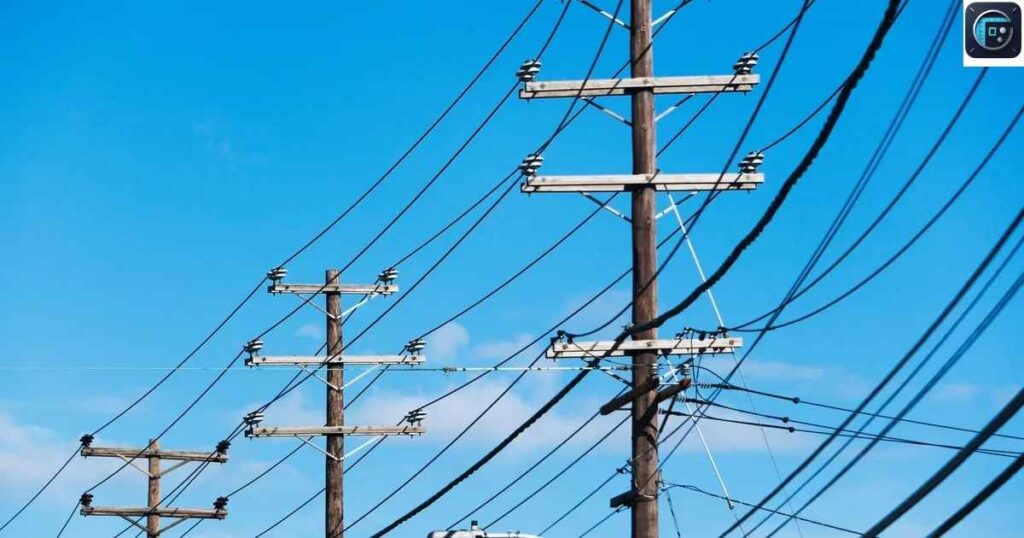
Most standard telephone poles rise approximately 30 feet above the ground, although the full length is often closer to 35 or 40 feet due to the portion buried underground. You pass these poles every day, making them one of the most accessible ways to visualize 30 feet in height.
Look up next time you’re on the street – from your eyes to the top of the pole, you’re seeing roughly 30 vertical feet. It helps translate what that distance looks like going upward instead of across.
When people think of height – especially in outdoor spaces – a telephone pole is a natural reference point. Whether you’re trimming trees, flying drones, or estimating the fall of something tall, this is your vertical benchmark.
3. Half a Bowling Lane
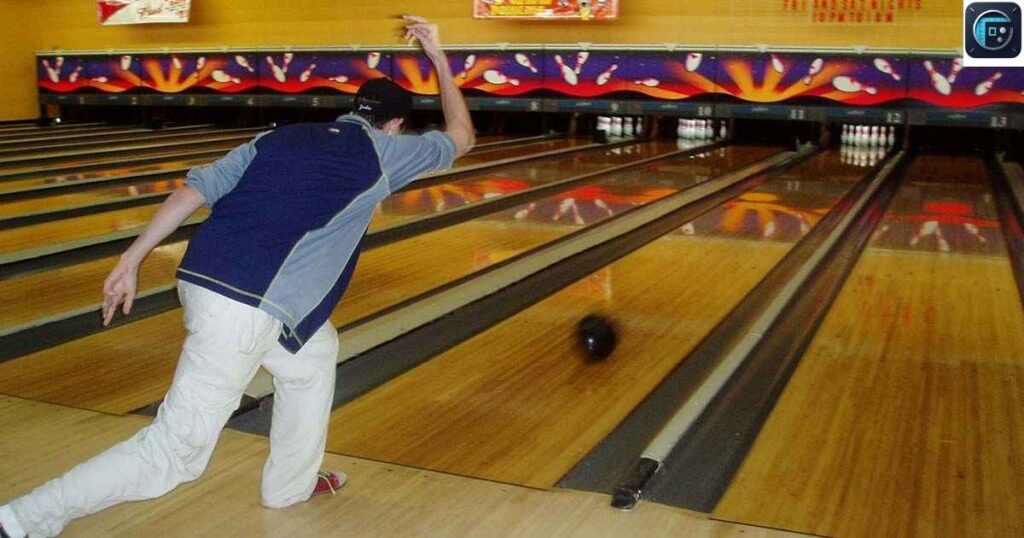
A bowling lane is exactly 60 feet from the foul line to the back of the pin deck. That makes half a lane 30 feet, a distance you can literally walk or roll a ball across in most bowling alleys.
If you’ve ever stood at the foul line and thrown a ball halfway down the lane, you’ve experienced 30 feet in action. It’s a unique example because it’s both visible and interactive – you’re not just seeing 30 feet, you’re using it.
Bowling lanes also provide a rare indoor example of a flat, straight, and exact 30-foot stretch – perfect for people who like precision or enjoy sports as learning tools.
4. Semi-Trailer Truck Cab
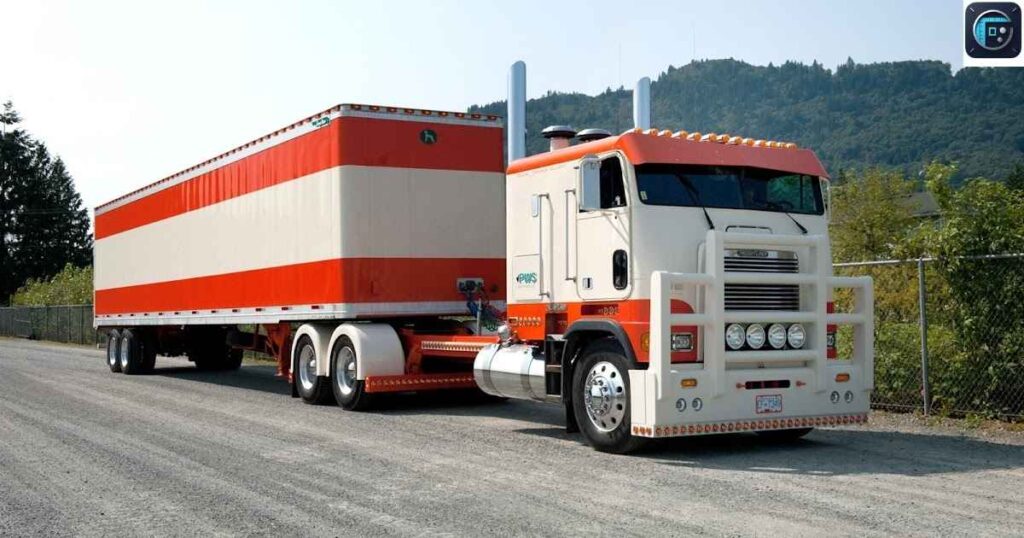
The cab of a semi-truck – the section with the engine and driver’s cabin – typically measures around 25 to 30 feet long. This doesn’t include the trailer, which often doubles or triples the length, but the cab alone is a beast on its own.
Standing beside a parked semi gives you a full sense of 30 feet in horizontal length. It stretches from the front grille to the back wheels, often taking up two parking spaces or more.
Truckers live, sleep, and work inside these spaces, so they’re built to maximize comfort and function in that 30-foot footprint. It’s a perfect example of how much you can fit into this amount of space.
5. A 3-Story Building

A three-story building is commonly 30 feet tall, especially in residential or light commercial construction. With each story averaging 10 feet in height, this is a simple math-based visual aid.
Stand at the sidewalk and look up at a small office building or apartment complex – you’re often staring at a total height of 30 feet. It’s especially helpful when imagining vertical space for planning, construction, or safety reasons.
This example helps you connect the measurement of 30 feet to architecture and design. Whether you’re building, renovating, or just curious, it shows you how that distance feels in the real world.
6. Olympic Swimming Pool Width

An Olympic-size swimming pool measures 30 feet wide (official width is 25 meters, or about 82 feet, but lanes and layouts often vary). However, smaller competitive pools or practice pools are built with a 30-foot width to save space.
Imagine floating from one side to the other – that horizontal swim across 30 feet can be both relaxing and revealing. Swimmers often use this measurement when training with restricted space.
In swimming and aquatic sports, 30 feet is a practical distance. Whether you’re racing, coaching, or designing a backyard pool, this width shows how much area is truly involved.
7. Two Standard Sedan Cars

A standard sedan is usually between 14 and 15 feet long. So if you park two sedans bumper-to-bumper, you’ll have a total length of about 30 feet.
You’ve likely seen this formation in parking lots or driveways. Visualizing two cars back-to-back gives you a sense of how far 30 feet stretches on solid ground.
This is a quick and easy way to estimate 30 feet when you don’t have a measuring tape – just think of two parked cars, one right behind the other.
8. Two× Great White Sharks

A fully grown great white shark can reach up to 15 feet in length. So imagine two of them lined up nose to tail – that gives you an impressive and slightly intimidating visual of 30 feet.
Great whites are among the most powerful predators in the ocean, and they’re no strangers to documentaries or shark week specials. If you’ve ever seen one leap out of the water on screen, imagine doubling that length – that’s what 30 feet looks like in open sea.
This example offers an incredible visual from nature. It’s not just about measurement – it’s about understanding the scale of marine life, and how 30 feet translates in the animal kingdom.
9. Cabin Cruiser Boat

A cabin cruiser is a small, motor-powered boat with a sleeping area, kitchen, and sometimes even a bathroom – and many of them measure around 30 feet in length. These boats are common for weekend getaways and small family trips on lakes or coastal waters.
Standing on the dock next to a 30-foot cruiser gives you a clear picture of what this distance looks like in watercraft design. It’s long enough to feel substantial but still small enough to maneuver easily.
For anyone who loves boating, this measurement is more than just a number – it reflects comfort, storage, and livability packed into a 30-foot frame.
10. 18 Adults Standing in a Line

If you line up 18 average-height adults (each about 20 inches shoulder to shoulder), you’ll get a total length of around 30 feet. This is a fun and interactive way to measure distance using people.
Imagine a group photo at a wedding or a family reunion where people line up side by side – that span often stretches close to 30 feet. It’s a flexible way to grasp the measurement, even in places where you can’t use physical tools.
This method turns 30 feet into something completely human. It’s useful at events, classrooms, or even when explaining distances to kids in a relatable way.
11. 30-Foot Shipping Container
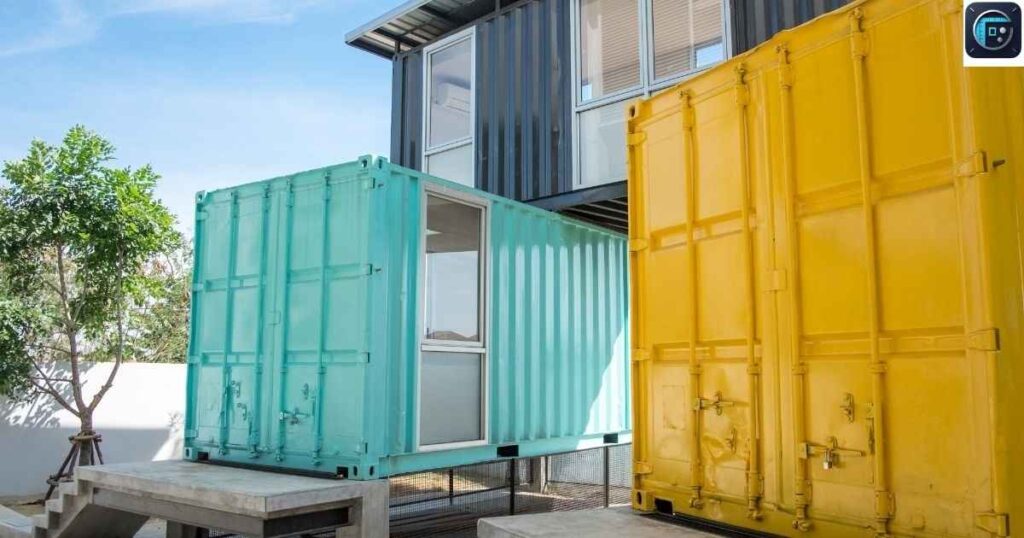
A 30-foot shipping container is a standard size used in freight and logistics. These containers are built to be durable, stackable, and spacious – making them perfect for storage or overseas shipping.
If you’ve seen one on a cargo ship or stacked in a shipping yard, you’ve already witnessed what 30 feet in solid steel looks like. These containers are also popular in modern architecture, often turned into homes or pop-up shops.
They’re a perfect example of how 30 feet isn’t just a measurement – it’s a usable, buildable space that’s being creatively reused around the world.
12. Billboard

Many roadside billboards are around 30 feet wide, depending on the type and location. These wide signs are designed to grab attention from far away, especially when viewed from highways.
Next time you pass one on the road, note its width – the long, rectangular space stretching across is often a clean 30 feet. It shows how this length is used for high-visibility advertising.
For marketers or designers, understanding the scale of 30 feet is critical to placing content, images, and branding that can be seen and read from a distance.
13. Recreational Vehicle (RV)
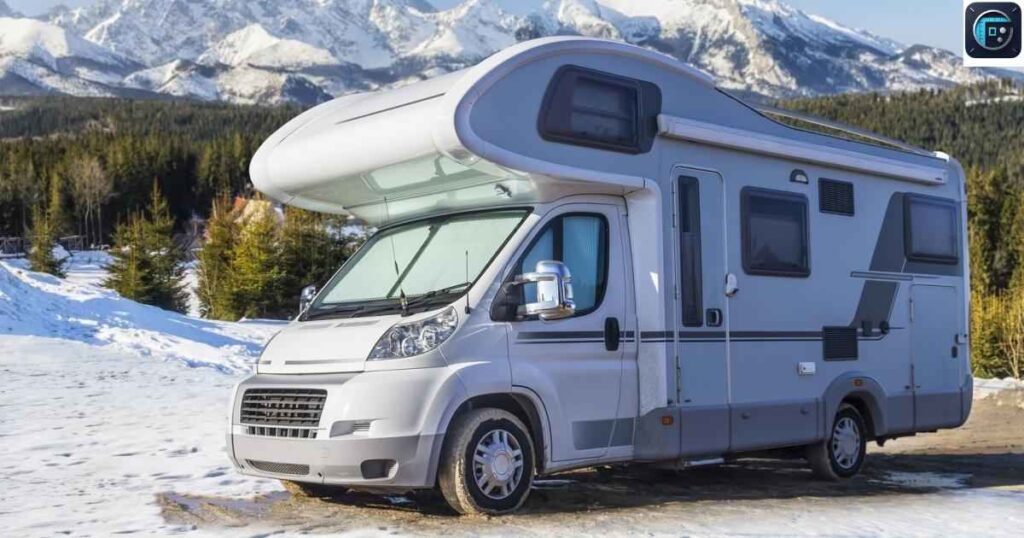
A Class C RV or some travel trailers are built to be around 30 feet long, offering a full mobile living space – including bedrooms, bathrooms, and kitchenettes – all within that limit.
If you’ve been on a camping trip or seen RVs on the road, you’ve likely spotted one of this size. It’s long, but still manageable for highway travel and campsite parking.
RVs are an excellent example of how 30 feet can represent both freedom and functionality. You can live, sleep, and explore the world – all inside a space that’s exactly this long.
How Does 30 Feet Measure Up to Human Height?
30 feet is approximately three times the average height of a human adult. The average person stands around 5.5 to 6 feet tall, so if you stacked five or six people on top of one another, you’d hit 30 feet. This is a helpful way to visualize vertical space relative to human size.
Standing next to something that is 30 feet tall will make you feel small, but not overwhelmed. It’s high enough to give you a sense of scale, but still within reach in most environments. Whether you’re inside a building or outdoors, you can easily grasp the difference between your own height and 30 feet.
What Does 30 Feet Look Like Inside a House?
Inside a typical home, a ceiling height usually ranges from 8 to 10 feet. This means that 30 feet would be equivalent to the height of approximately three rooms stacked on top of each other. A 30-foot distance across a single floor would feel quite spacious in most homes, especially in areas with open floor plans.
In larger homes or open spaces, 30 feet could represent the length of a hallway or the span from one side of a living room to the other. It’s easy to imagine this distance when considering things like furniture arrangements or open-concept living areas where spaciousness is key. Explore our breakdown of 70-foot objects to understand how this impressive length appears in daily life.
Practical Applications of 30-Foot Measurements
In daily life, 30 feet often applies to measurements in construction, landscaping, or even gardening. For example, a 30-foot tape measure is commonly used to measure large outdoor areas or small home additions. Understanding this length helps people make accurate space planning decisions for projects like patios, decks, or even new room layouts.
30 feet is also a standard in traveling and transportation. It’s the typical size for a shipping container, which holds large amounts of goods, and it’s used in trucking, where long cargo trailers often span around this distance. In these cases, the 30-foot measurement directly influences how goods are transported across cities and countries.
Conclusion
Understanding the length of 30 feet becomes much easier when you relate it to real-world objects and everyday scenarios. Whether it’s the length of an airport shuttle bus, the height of a telephone pole, or the width of a recreational pool, visual comparisons make this measurement tangible and practical. By connecting abstract numbers to familiar items, estimating distances, planning spaces, or explaining measurements to others becomes far simpler and more accurate.
From construction projects and home renovations to transportation and outdoor activities, knowing what 30 feet looks like can save time and enhance decision-making. Whether you’re visualizing two sedans parked end-to-end, a 3-story building, or a 30-foot shipping container, these examples highlight the versatility of this measurement in daily life. Using these visual benchmarks ensures you can confidently work with, plan for, and comprehend 30 feet in any context.
FAQ’s About 30 feet Long
How big is 30 feet compared to a human?
Thirty feet is roughly five to six times the height of an average adult, who stands around 5.5 to 6 feet tall. Visualizing 30 feet as the length of five people lying head-to-toe helps put this distance into perspective, making it easier to estimate large vertical or horizontal spaces in real life.
How many meters is 30 feet long?
Thirty feet is approximately 9.14 meters. This conversion is useful when comparing imperial and metric systems, especially for construction, landscaping, or travel measurements. By knowing that 30 feet equals just over 9 meters, you can easily plan layouts, check distances, or understand height and length in contexts where metric units are used.
How many stories high is 30 feet?
A typical building story measures about 10 feet, making 30 feet roughly the height of a three-story building. This visual comparison helps when estimating vertical space, planning renovations, or imagining heights in everyday life, such as trees, telephone poles, or small office buildings, giving you an intuitive understanding of what 30 feet looks like.
What is 30 feet in inches?
Thirty feet equals 360 inches, since one foot contains 12 inches. Knowing this helps convert measurements for precision in construction, interior design, or DIY projects. Whether you’re measuring a room, furniture, or outdoor distances, understanding 30 feet in inches ensures accurate planning and comparison when working with smaller, detailed units.
What is 30 feet in yards?
Thirty feet is equivalent to 10 yards because one yard equals three feet. This measurement is especially useful in sports, construction, or any scenario where distances are often expressed in yards. Thinking of 30 feet as 10 yards gives a clear sense of scale, whether you’re on a football field, a track, or planning a garden layout.