

If you’re trying to picture what 7 centimeters actually looks like, you’re not alone. It’s a small measurement, but without a ruler in front of you, it can be surprisingly hard to visualize. Whether you’re comparing product sizes, planning a project, or simply curious, real-world examples make this number much easier to understand.
In this guide, you’ll get simple, everyday comparisons that instantly show how big 7 cm really is. From household items to common objects you use daily, these visuals help turn a basic measurement into something you can clearly imagine and recognize in real life.
How Big Is 7 Centimeters?
Seven centimeters is a short but noticeable length-about the width of three adult fingers placed side by side. In inches, it equals roughly 2.75 inches, which is just a little under 3 inches. You’ve likely handled plenty of objects around this size without even realizing it, like the height of a credit card or a small makeup item.
To picture it more easily, think about a standard sticky note, which measures around 7.6 cm per side. One edge of that note is only slightly longer than 7 cm, making it a convenient real-world reference. It’s a compact length, but big enough to recognize instantly once you compare it with familiar everyday items.
How Big Is 15 Centimeters: Compare With Common Objects – This links to a slightly larger measurement, giving readers a natural progression in understanding lengths.
How Many Centimeters Are 5–7?
When people ask about 5 to 7 centimeters, they’re usually trying to understand a range – maybe for measuring a space, choosing the right product, or figuring out scale. This range is equal to approximately 2 to 2.75 inches, giving you a small-to-medium span often used in crafts, medical measurements, and product dimensions.
Items that fall in this range include things like a golf tee (around 5.5 cm), a lipstick tube (about 7 cm), or even the handle of a makeup brush. So, if something measures between 5 and 7 cm, it’s small enough to fit in your hand but long enough to notice.
How Big Is 7 Centimeters on a Ruler?
On a standard metric ruler, 7 centimeters is marked clearly between the 6 and 8 cm lines. Each centimeter is divided into 10 millimeters, so you’ll see ten small ticks between every full number. To locate 7 cm exactly, just count seven full centimeter marks from the zero point.
If you’re using a ruler that includes both centimeters and inches, 7 cm will line up with about 2.75 inches. It falls a little before the 3-inch mark. Seeing it this way gives you a physical sense of its length and helps when you’re switching between metric and imperial systems.
Things That Are 7 Centimeters Long
Ever wondered how long 7 cm really is? These everyday items will help you picture it instantly.
| 📦 Item | 📏 Actual Measurement | ⚙️ Configuration (How It Measures 7 cm) |
|---|---|---|
| 📘 Sticky Note | 7.6 cm | One side of a standard square sticky note is close to 7 cm |
| 💄 Lipstick Tube | 6–7.5 cm | Typical lipstick length with cap on |
| 🔌 Phone Charger Plug | 6.5–7 cm | Height of the adapter block (not the cable) |
| 🖊️ Pen Cap | 7 cm | Standard pen caps fall within the 6.8–7.2 cm range |
| 🔑 Key (House Key) | 6–7 cm | Full key length from base to tip |
| 🖥️ USB Flash Drive | 6–7 cm | Most USB drives are compact and fall near this size |
| 🌶️ Small Chili Pepper | 6–7 cm | Length of a medium-sized chili |
| 🍫 Mini Chocolate Bar | 7 cm | Fun-size bars often measure around 7 cm long |
| 🧴 Travel Lotion Bottle | 6–7.5 cm | Height of very small travel-size bottles |
| 🧷 Large Safety Pin | 7 cm | Fully extended length matches about 7 cm |
| 🔍 Small Magnifying Glass Handle | 7 cm | Handle length on compact magnifiers |
| 🛠️ Screwdriver Handle (Mini) | 6–7 cm | Grip size on small household screwdrivers |
Credit Card

If you’re holding a standard credit or debit card, you’re already looking at a perfect size match. The short side of a card – its vertical height – measures exactly about 7 cm, making it one of the most reliable everyday references for this compact length.
Credit cards follow ISO standards for size, so whether it’s a loyalty card or your bank card, they all share this consistent dimension. That’s what makes them so useful when you need a quick visual estimate in your wallet or at your desk – roughly 2.75 inches tall and always within reach.
Interestingly, the size wasn’t chosen at random. The ISO/IEC 7810 ID-1 format, adopted worldwide, balances portability with machine readability. This standardized brief span allows cards to fit into ATM slots, wallets, and payment terminals across all industries and borders.
US Dollar Bills

Lay a U.S. dollar bill flat, and look at its shorter edge – the vertical height comes to just about 6.6 cm, which is very close to 7 cm. When held in portrait orientation, the bill gives a nearly accurate mental image of this short measurement.
Paper currency is something we interact with regularly – tucked into wallets, folded for tips, or handed over in stores. That height, a small distance under 3 inches, is helpful for quick sizing when a ruler isn’t handy.
Historically, the dimensions of U.S. bills were standardized in 1929 to streamline printing and storage. That consistent size now makes them a useful, everyday tool for visualizing compact measurements without needing specialized equipment.
Also Read <<>> How Long Is 15 Centimeters? Real Examples You Can Picture Instantly
Tennis Ball
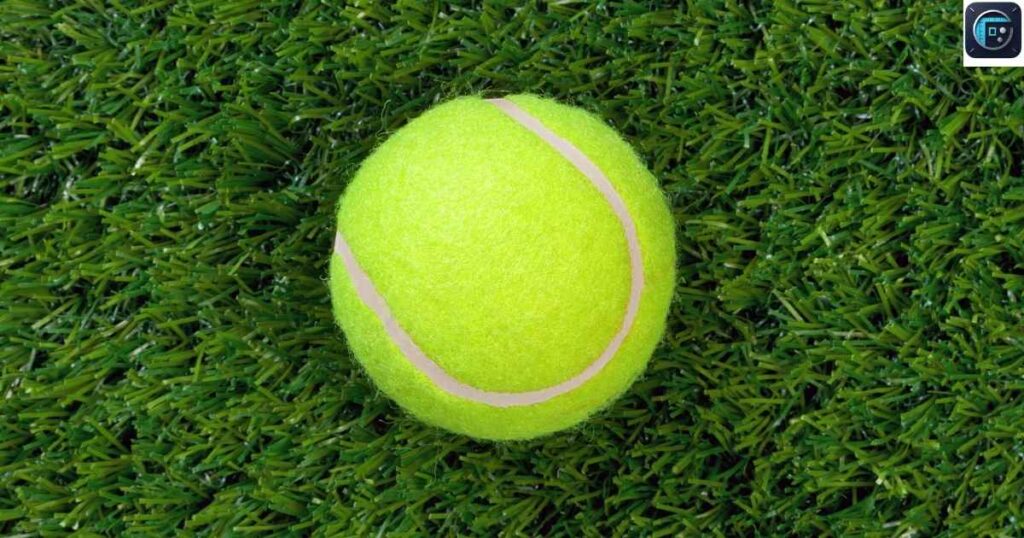
A standard tennis ball measures about 6.7 to 6.9 centimeters in diameter, making it an excellent physical reference for something that’s roughly 7 cm wide. Holding one in your hand gives you a nearly perfect sense of this compact but tangible length.
Tennis balls are widely recognized – used in sports, pet toys, and even in classroom activities. Their consistent sizing allows people from all walks of life to instantly relate to a small object of this dimension, especially when trying to measure without tools.
Regulated by organizations like the International Tennis Federation, the tennis ball’s size was carefully selected for performance and visibility. This makes it not only useful for sports but also a great example when comparing a moderate, graspable size in real-world terms.
Pickleball
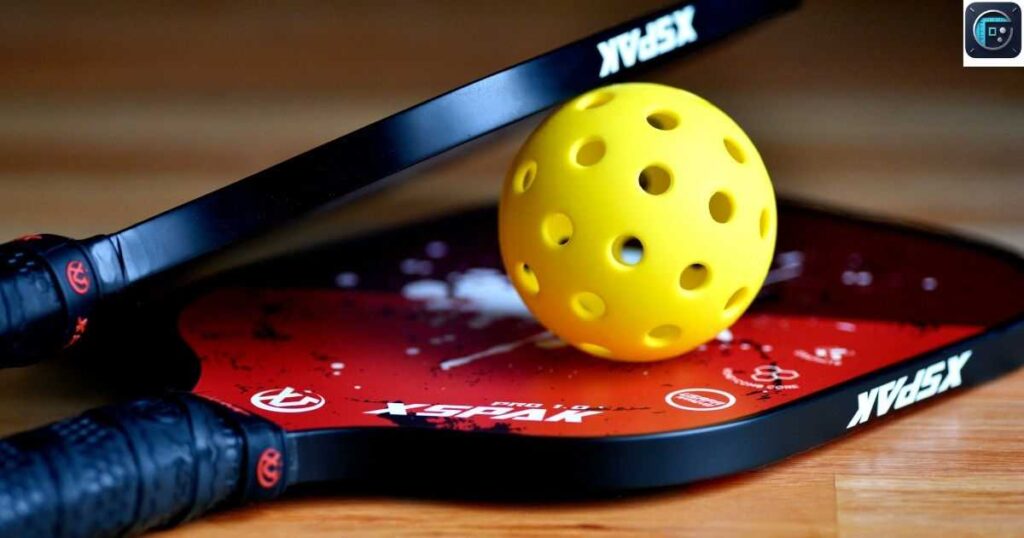
A regulation pickleball has a diameter of about 7.3 centimeters, making it a nearly spot-on comparison for understanding this short span. If you’ve ever held one, you’ve already felt what a rounded object of that size is like in your hand.
Pickleballs are used in a fast-growing paddle sport enjoyed by players of all ages. Whether in community centers, schools, or pro tournaments, the ball’s consistent size makes it easy to visualize a small, lightweight object close to 3 inches wide.
The official size was standardized to support fair play, aerodynamics, and visibility on court. Its popularity has grown globally, and now the ball’s size is referenced in equipment design, storage considerations, and even in DIY activities that borrow from sports dimensions.
Mini Tart Pan

A standard mini tart pan often has a diameter of about 7 centimeters, making it a perfect way to picture this small, circular size. These pans are compact enough to hold in your palm, helping you get a real sense of how wide that measurement feels.
In home kitchens and bakeries, mini tart pans are used to bake individual desserts like fruit tarts, cheesecakes, or quiches. Their petite size makes them ideal for portion control, recipe testing, or elegant single-serve presentations on restaurant menus.
From a culinary perspective, the 7 cm size strikes a balance between visual appeal and functional baking surface. It allows even heat distribution in the oven while creating pastries that look delicate but hold just enough filling to satisfy – a detail that matters in both design and food cost planning.
Butter Knife Blade
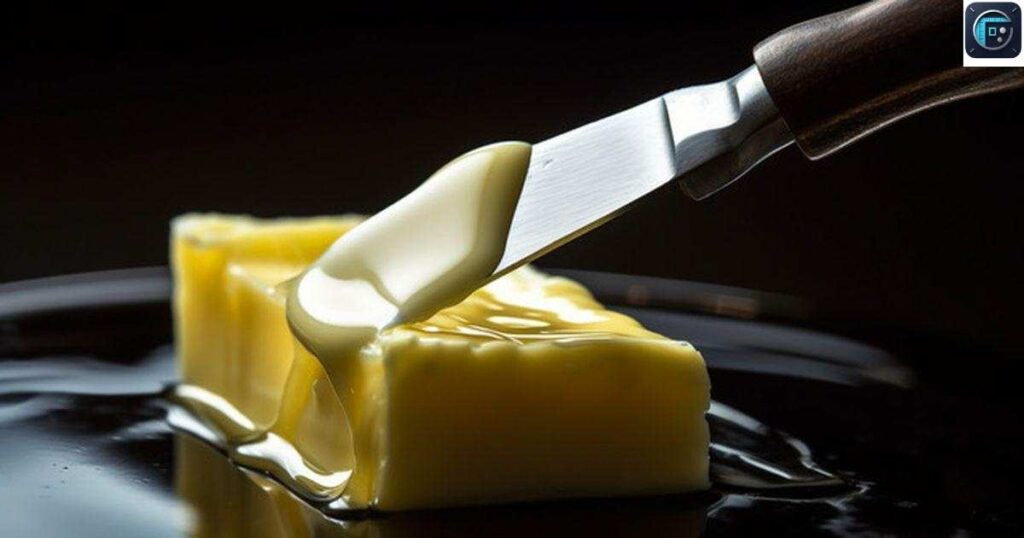
The blade of a standard butter knife – excluding the handle – typically measures close to 7 centimeters in length. It’s one of those kitchen tools you might overlook, but its smooth, rounded edge makes it an ideal reference for this short measurement.
Used daily to spread butter, jam, or soft cheeses, the butter knife’s modest blade length helps maintain control without overwhelming the surface area of toast or pastries. This measurement is especially practical for children’s utensils and compact flatware sets where safety and ease matter.
Designers have long favored this length because it offers enough surface to spread efficiently without posing the risk of sharp edges. In hospitality or culinary training, knowing the scale of such utensils also supports portion control, table setting balance, and functional ergonomics.
Child’s Palm Width
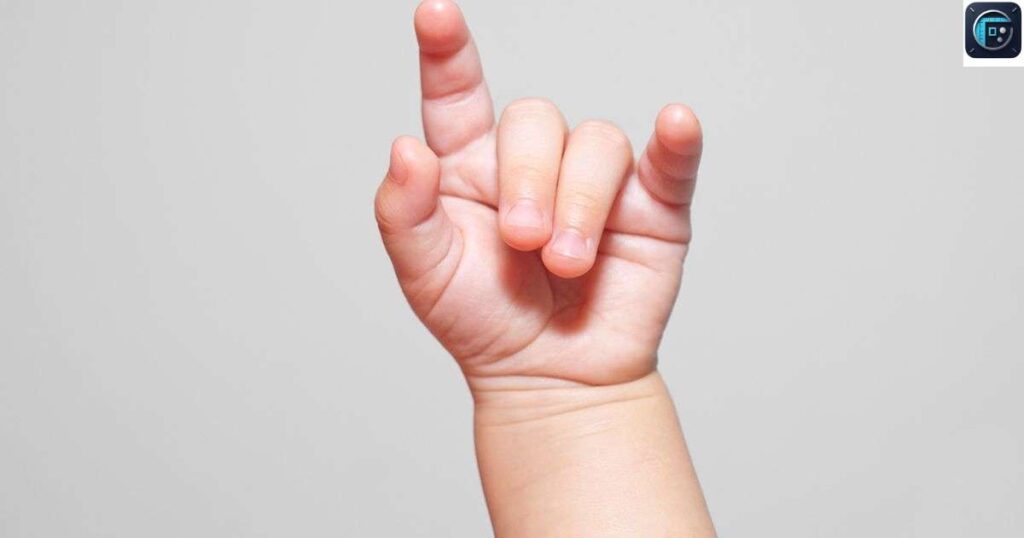
If you hold out the hand of a 4 to 6-year-old child, you’ll notice their palm – from one edge to the other – usually measures around 7 cm across. It’s a gentle, familiar comparison that turns an abstract number into something you can feel and picture.
In early education, pediatric healthcare, and even clothing design, palm width plays a key role. Whether sizing gloves or assessing hand development, knowing this small width helps ensure a proper, comfortable fit or accurate motor skill benchmarks.
Anthropometric studies have long used palm measurements to design tools, toys, and utensils for young children. This minor dimension becomes part of broader planning in child safety standards, ergonomic product design, and inclusive learning materials.
Cricket Ball
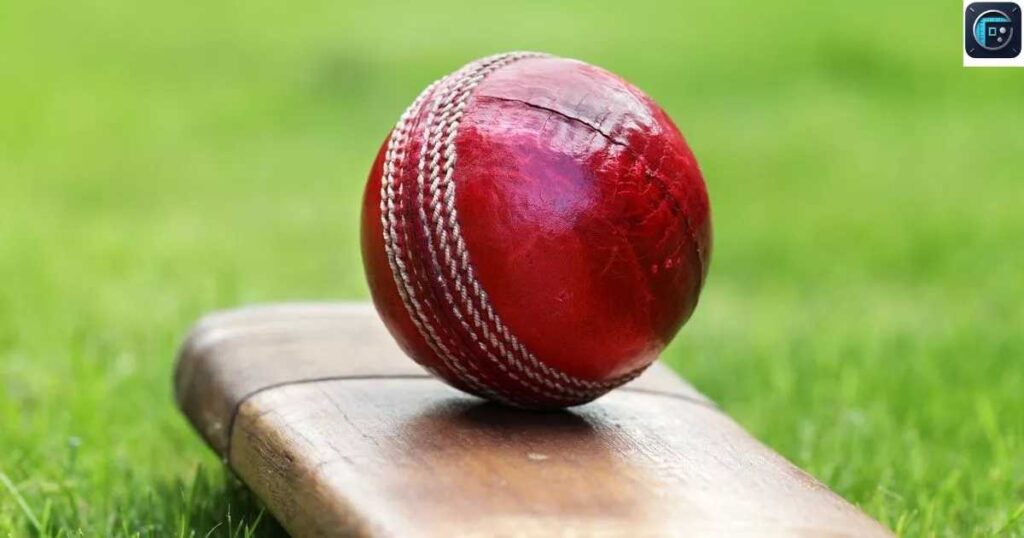
A standard cricket ball has a diameter of about 7.1 centimeters, making it an excellent visual and tactile reference for this compact yet substantial measurement. Holding one instantly gives you a real-world sense of how wide this short length actually feels.
In cricket, this size plays a crucial role in the ball’s handling, bounce, and aerodynamics. Bowlers rely on its grip and symmetry for control and speed, while batters adjust their timing based on its size and motion – every fraction of a centimeter matters on the pitch.
The measurement has been standardized by cricket’s governing bodies for over a century to ensure fairness across matches globally. This regulated dimension influences everything from glove design and practice drills to how equipment is stored and transported professionally.
USB Flash Drive
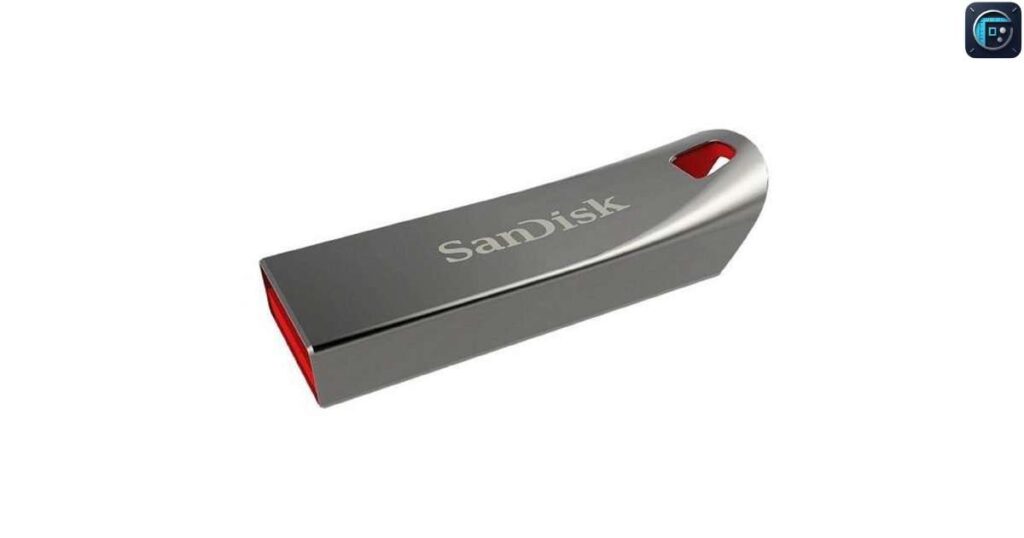
Many standard USB flash drives fall into the range of 6.5 to 7.2 centimeters in length, especially models with protective casings or sliding connectors. If you’ve ever held one in your hand, you’ve already experienced the feel of this compact, functional size.
These devices are widely used in offices, classrooms, and personal setups for storing and transferring digital files. The size isn’t random – a short and portable design makes it easy to carry in a pocket or keychain without being bulky or fragile.
The evolution of flash drives reflects a shift toward miniaturization in tech hardware. Designers have found that keeping the body around this length supports USB port stability while maximizing internal storage capacity, all within a universally portable form.
Makeup Brush Handle
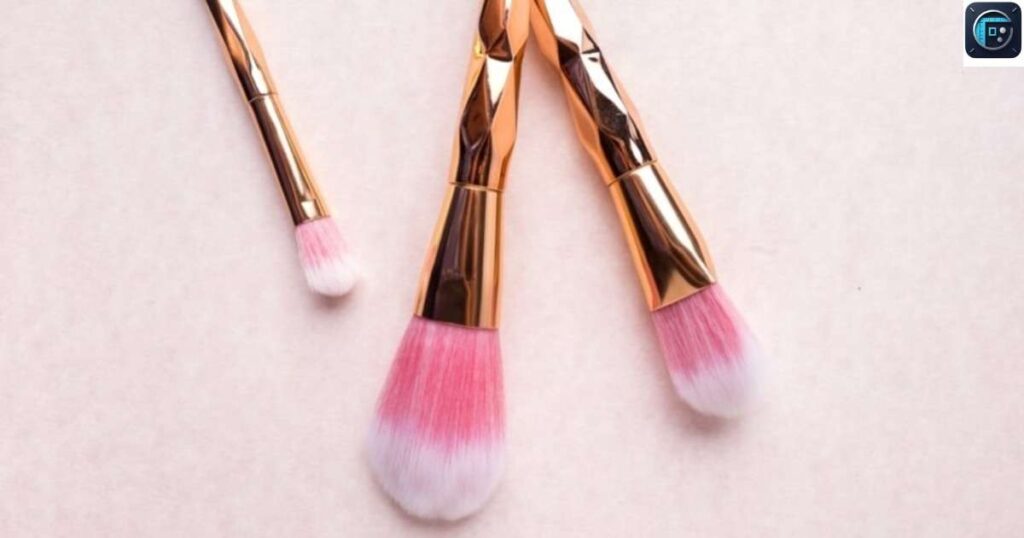
A typical eye shadow or blending brush often has a handle measuring close to 7 centimeters in length. These compact tools are designed to fit comfortably in the hand without sacrificing control or precision during use.
In beauty routines and professional makeup artistry, this size strikes the perfect balance between portability and functionality. A shorter handle allows for close-up application, especially for detailed work around the eyes and nose where subtlety matters.
Brush lengths in this range are not just aesthetic-they reflect thoughtful ergonomic design. Brands tailor them to suit travel kits, vanity drawers, and cosmetic pouches, making this short handle length a gold standard for convenience and control in the beauty world.
Key Fob or Car Key
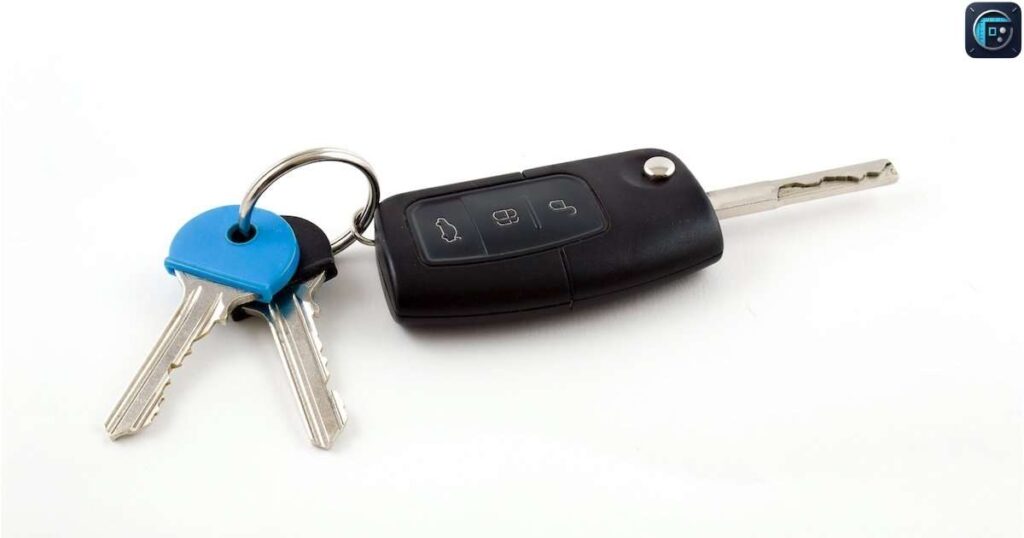
Most modern key fobs or standard car keys measure around 6.5 to 7 centimeters in length, especially when including built-in buttons or flip-key designs. If you’ve held one recently, you’ve likely already handled something in this exact size range.
Car keys are used daily – slipped into pockets, held in hand, or clipped to keychains. Their compact, ergonomic design allows for easy handling while still offering enough space for buttons, chips, and branded logos.
Over time, as car tech evolved, key fobs grew slightly in size to accommodate smart features like remote start or touchless unlocking. Manufacturers carefully balanced size and portability, making this small but functional shape a standard in both automotive design and user comfort.
Eyeglass Arm
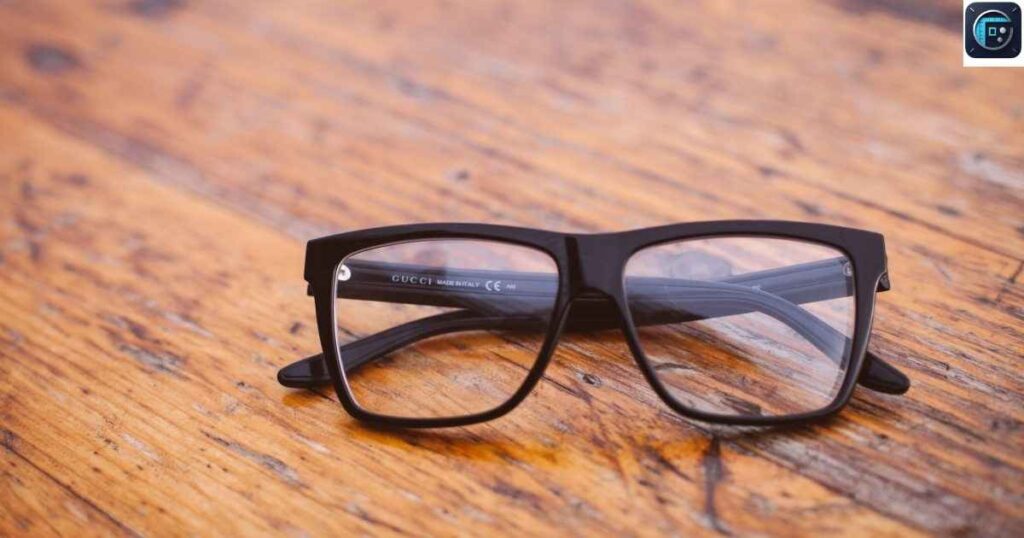
An eyeglass arm, especially on sleek, modern frames, often measures close to 7 centimeters from the hinge to the curve behind the ear. While full arms may be longer, the straight portion that rests along the temple gives a useful visual reference for this modest length.
In everyday life, this part of the frame is crucial for keeping glasses comfortably in place. Designers carefully consider this size to ensure balance, fit, and stability, especially for active users or those wearing glasses for extended periods.
From a design perspective, manufacturers craft this segment to blend form and function-balancing strength, flexibility, and aesthetics. Its compact size has even influenced trends in foldable and minimalist eyewear, where space-saving innovations begin right at the temple.
Convert 7 Centimeters to Other Measurements
Need to see what 7 cm equals in inches, millimeters, or feet? This quick table gives you accurate conversions at a glance.
| 📐 Unit | 📏 Equivalent of 7 Centimeters |
| 🔸 Millimeters (mm) | 70 mm |
| 🔸 Meters (m) | 0.07 m |
| 🔸 Inches (in) | 2.75 inches |
| 🔸 Feet (ft) | 0.23 feet |
| 🔸 Yards (yd) | 0.076 yards |
| 🔸 Decimeters (dm) | 0.7 dm |
Conclusion
Understanding what 7 centimeters looks like becomes much easier when you compare it to everyday household items. From pen caps to lipstick tubes, many small objects fall right within this range, making it simple to visualize the size in real-life situations. These quick comparisons are especially helpful when measuring without a ruler or trying to estimate dimensions on the spot.
Whether you’re shopping online, crafting, or doing home projects, having a mental picture of 7 cm can save time and make decisions easier. Now that you know exactly how big 7 cm is, you can confidently spot this length around you anytime. If you want, I can also help you build internal links or optimize the next section of your article!
FAQ’s About 7 Centimeters
1. How big is a 7 cm tumor?
A 7 cm tumor is considered relatively large because it’s about the size of a tennis ball. At this size, doctors often classify it as a more advanced growth. Its impact depends on where it’s located in the body. Medical evaluation is important to understand treatment options and risks.
2. How large is 7 cm?
Seven centimeters is a small measurement, roughly equal to 2.75 inches. It’s about the width of a palm or the length of an average index finger. In daily life, many small household items fall around this size. So it’s easy to visualize once you compare it to familiar objects.
3. What is the same size as 7 cm?
Several everyday objects measure close to 7 centimeters, like a tennis ball’s diameter or the width of a credit card. Even common items such as small jar lids or makeup compacts fall in this range. These comparisons help you picture the length more clearly. You likely use things around 7 cm without noticing.
4. What size is a 7 in cm?
If you’re converting from inches, 7 inches equals about 17.78 centimeters. This makes it much larger than 7 cm. Think of it as the length of a tablet’s shorter side or a large kitchen knife handle. It’s a useful conversion when measuring objects for shopping or DIY projects.
5. What is the same size as 7 cm?
A length of 7 cm is roughly the same size as the diameter of a tennis ball. It’s also close to the width of a credit card and the height of a US dollar bill. Many small household items—like jar lids or compact makeup cases-fall around this size. These everyday objects make it easy to visualize how long 7 cm really is.