

Understanding how long 2 millimeters is can be surprisingly tricky because it’s such a tiny measurement. You see it everywhere-on gadgets, tools, clothing, and even in nature-yet most people don’t recognize it without a ruler. That’s why real-life comparisons make this micro-size easier to picture.
In this guide, we break down the true size of 2mm using familiar objects you interact with every day. From phone parts to pencil lead and seeds, these examples help you visualize 2 millimeters instantly and understand why such a small distance is more important than it seems.
How Long Is 2 Millimeters?
2 millimeters is short—very short. But that doesn’t mean it’s insignificant. Here’s how to picture it:
- It’s about the thickness of two credit cards stacked.
- Imagine a grain of sand — now double that. Still tiny, but now it has real shape.
- Many gadgets, accessories, and tools rely on measurements this small for function and design.
When you ask “How long is 2 millimeters?”, think of it as a micro measurement with macro importance.
How Long Is 1 Millimeter? Everyday Objects You Can Compare – Use this link when discussing smaller measurements or comparisons to help readers visualize 2mm in context with even tinier units.
Real-World Things That Are 2 Millimeters Long
Let’s dive into real-world comparisons to help you visualize what 2 millimeters really looks like. These examples cover tech gadgets, everyday items, and more, so you can truly picture this tiny measurement.
| Object / Item | Measurement (Approx.) | Description |
|---|---|---|
| 📸 iPhone Camera Lens Rim | 2 mm thickness | The slim rim around the iPhone camera lens is about 2mm, giving protection while keeping the design sleek and durable. |
| 🧱 LEGO Brick Wall Gap | 2 mm spacing | The small gap between LEGO studs is roughly 2mm, helping bricks snap together tightly with perfect precision. |
| 📚 Kindle Screen Bezel | 2 mm width | Many Kindle models use a 2mm bezel, creating a clean frame that improves grip and strengthens the device. |
| 👟 Nike Shoe Stitching Groove | 2 mm depth | Performance shoes often have 2mm stitching grooves that improve flexibility and allow natural movement. |
| 🎧 Beats Earbud Wire | 2 mm thickness | The wire is about 2mm thick, giving durability without sacrificing comfort or flexibility during use. |
| 🔌 Lightning Cable Outer Coating | 2 mm coating | Apple’s Lightning cable uses a 2mm outer layer to protect the internal wiring and prevent bending damage. |
| ✏️ Mechanical Pencil 2mm Lead | 2 mm diameter | Used in drafting pencils, this thick lead provides stable, break-resistant lines for artists and designers. |
| ✏️ Standard Wooden Pencil Lead | About 2 mm diameter | Everyday wooden pencils use lead close to 2mm, ideal for smooth, controlled writing. |
| 🌱 Small Seeds | 2 mm length | Many small seeds measure around 2mm, tiny but powerful enough to grow into full plants. |
| 🎸 Thin Guitar Pick | 2 mm thickness | Some thin to medium guitar picks measure around 2mm, offering a balance of flexibility and control. |
| 🍚 Short-Grain Rice | Around 2 mm long | A single short-grain rice kernel is roughly 2mm, making it a perfect visual comparison. |
| ⚡ Copper Wire | 2 mm diameter | Common in electronics, this wire is thick enough for power flow yet small enough for compact devices. |
1. iPhone Camera Lens Rim

The rim surrounding the camera lens on an iPhone is approximately 2 millimeters thick. This tiny edge helps protect the lens while maintaining a sleek, modern look. It’s part of the precise design that Apple is known for.
This thin bezel around the camera doesn’t just serve an aesthetic purpose, though. It helps with water resistance and durability, offering a balance between functionality and style. So, while it might seem small, it plays a big role in your phone’s design.
2. LEGO Brick Wall

A typical LEGO brick wall—the space between the studs—is around 2 millimeters thick. This seemingly small measurement is essential for the precise fitting of LEGO bricks, ensuring they stay together securely.
While LEGO bricks themselves are a bit bigger, this 2mm separation is critical for ensuring that each piece locks into place with just the right amount of force, making them stable and durable for countless builds.
Also Read <<>> Real-Life Examples of 1mm Objects
3. Amazon Kindle Screen Bezel

The bezel around the screen of an Amazon Kindle (especially the Paperwhite or Oasis versions) is typically about 2 millimeters wide. This slim frame helps the screen stand out and maximizes the usable area for reading.
This small bezel not only provides a sleek look but also offers extra strength to the device, ensuring it can handle daily use without compromising the reading experience. It’s a subtle design detail that makes a big difference.
4. Nike Shoe Stitching Groove

Many Nike shoes, especially those designed for performance, feature stitching grooves or sole tread details that are about 2 millimeters deep. These small grooves serve to improve flexibility and traction for a better fit.
This precise depth plays a role in the comfort and performance of the shoe. It allows the shoe to bend naturally as you move, without compromising its durability or support.
5. Beats Earbud Wire

The wire of Beats earbuds measures around 2 millimeters in thickness. This provides the perfect balance between flexibility and durability, making the wire strong enough to withstand regular use while still remaining light and comfortable.
Despite its thinness, the 2mm wire is engineered to resist tangling and improve the overall lifespan of the earbuds, allowing you to enjoy high-quality sound for a long time without worrying about damage.
6. Apple Lightning Cable Coating
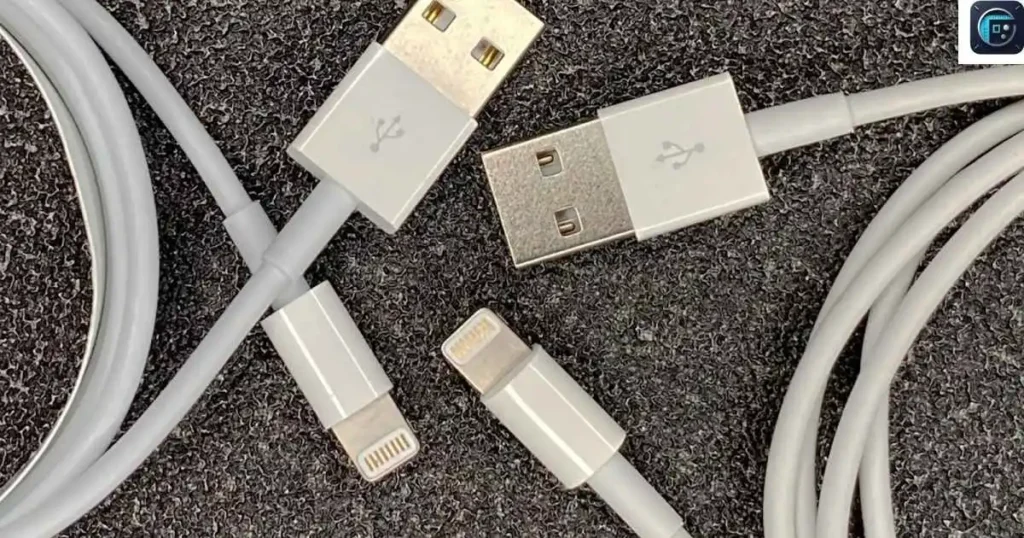
The outer coating of an Apple Lightning cable is about 2 millimeters thick. This protective layer ensures that the cable remains durable and resistant to wear and tear, especially where it connects to your devices.
This coating is an essential part of the design, giving the cable the strength it needs while maintaining flexibility for easy handling. It’s a small yet critical feature that ensures the cable’s long-lasting functionality.
7. Mechanical Pencil 2mm Lead
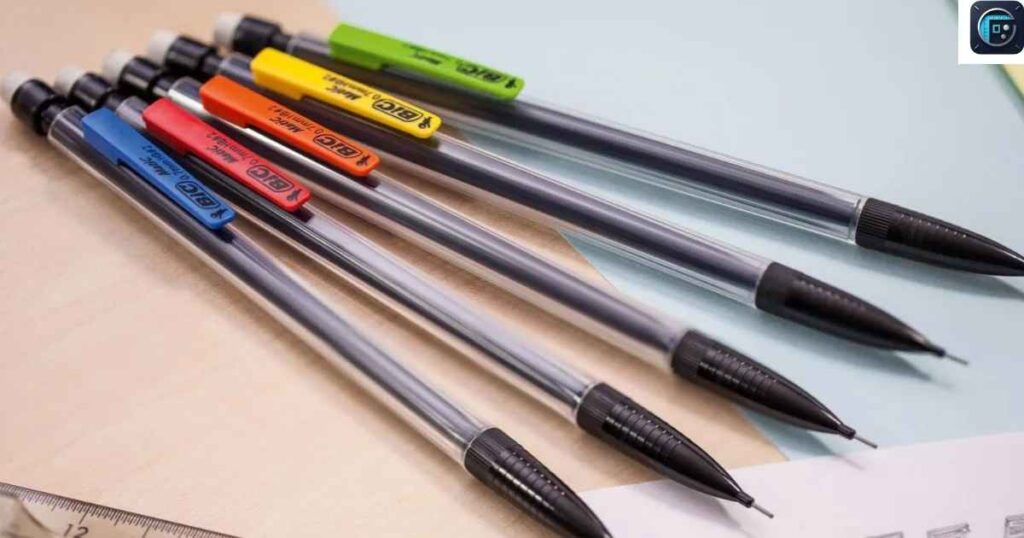
While most mechanical pencils use 0.5mm or 0.7mm lead, 2mm lead is often used in drafting pencils for artists and professionals. This thicker lead provides more stability and less breakage during detailed work.
The 2mm lead is favored by people who require precision in their drawings or technical designs, such as architects or illustrators. It’s ideal for creating clean, bold lines with minimal pressure on the pencil.
8. Standard Pencil Lead
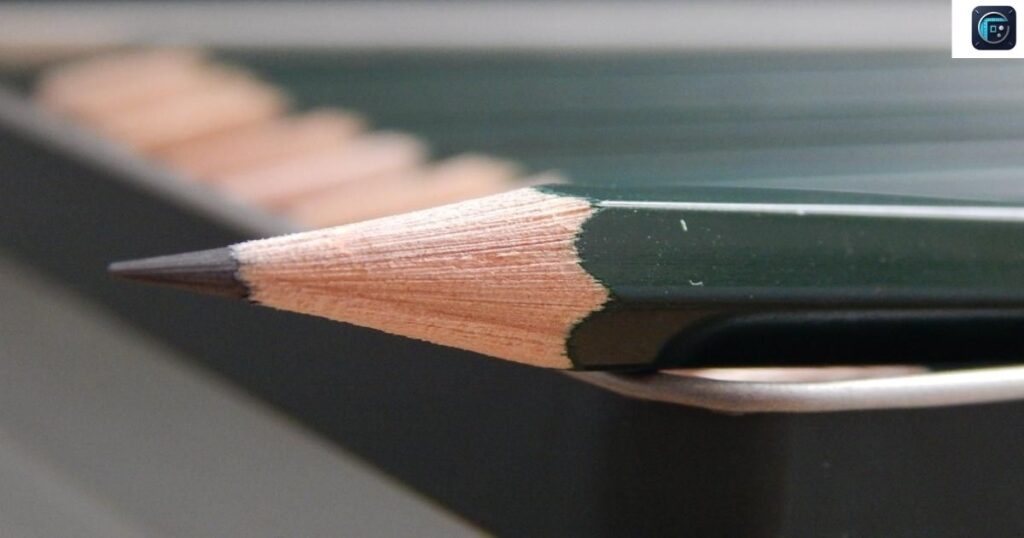
Traditional pencil lead is typically around 2 millimeters in diameter. This thickness is commonly used in standard wooden pencils and provides the right amount of resistance for smooth, consistent writing.
This small lead size allows for smooth writing, and it can be easily sharpened to maintain a fine tip. It’s part of what makes standard pencils such a versatile and convenient tool for everyday use.
9. Seeds

Many small seeds, like grass seeds or tomato seeds, are about 2 millimeters long. Though small, these tiny seeds contain everything needed to grow into larger plants.
Despite their size, these seeds play a critical role in agriculture and gardening, as their tiny structure allows them to be easily dispersed by wind or animals, promoting plant growth in various environments.
10. Thin Guitar Pick

A thin guitar pick often measures around 2 millimeters in thickness. This particular thickness provides a nice balance between flexibility and control, ideal for musicians who need to strum or pluck strings with precision.
This size of pick is perfect for light strumming and creating soft, controlled tones, especially in genres like folk or acoustic music. It’s subtle but essential for those looking for a specific sound.
11. A Rice Grain

A single grain of rice is generally around 2 millimeters long. While rice grains can vary in size, this length is common for short-grain varieties, which are often used in cooking.
This small measurement is what makes rice grains perfect for dishes that require a delicate texture. Despite their small size, they pack a lot of nutritional value and play a key role in many meals around the world.
12. Copper Wire

Copper wire, especially in small electrical systems, is often about 2 millimeters thick. This small diameter helps it fit into tight spaces and allows it to carry electricity efficiently without being bulky.
This wire thickness is essential in small gadgets and devices, where space is limited, yet power needs to flow smoothly. It’s a great example of how precision in small measurements ensures functionality and safety.
How Many Millimeters Is 1/2 Inch?
Now let’s flip the question. If you know inches better, this helps:
1/2 inch = 12.7 millimeters
So, 2 millimeters is roughly 1/6 of a half-inch. It’s about 15% of 1/2 inch, to be more precise. That comparison can help when you’re working between imperial and metric units.
Why Knowing What 2 Millimeters Looks Like Is Actually Useful
You might think 2 millimeters is too small to matter—but that’s far from true. Knowing how long 2 millimeters is can make a difference in your daily life, especially when it comes to DIY projects, buying tech gadgets, sewing, jewelry, or design. It’s also useful in science, engineering, and medicine, where precision matters down to the last millimeter.
For example, let’s say you’re ordering a phone case or a screen protector. If it’s off by just 2 mm, it might not fit. Or maybe you’re adjusting a guitar string, trimming a piece of thread, or evaluating how deep a scratch is—suddenly, knowing what 2 millimeters actually looks like becomes valuable.
So whether you’re measuring something tiny, comparing sizes online, or just curious, learning about the true size of 2 mm gives you a clearer view of the world’s small details.
What Is the Actual Size of 2 mm?
To break it down: 2 millimeters = 0.2 centimeters = 0.0787 inches. That’s less than one-tenth of an inch.
Let’s make that visual:
| Unit | Value |
| Millimeters (mm) | 2 mm |
| Centimeters (cm) | 0.2 cm |
| Inches | 0.0787 in |
In other words, it’s roughly the width of a coin’s rim or a couple of human hairs placed side by side. You won’t notice it easily unless you’re looking closely.
Conclusion
Understanding what 2 millimeters looks like makes it much easier to recognize how this tiny measurement influences everyday objects, from tech gadgets to household items. Whether it’s the rim of a camera lens, the thickness of a wire, or the size of a grain of rice, these examples help bring a small number to life in a clear, practical way.
Though just a fraction of a centimeter, 2 millimeters plays a major role in design, construction, electronics, and precision tools. By visualizing it through familiar items, you gain a better sense of scale—helping you measure accurately, compare sizes confidently, and appreciate the fine details that make everyday products function smoothly.
FAQ’s About 2 Millimeters Long
What is the actual size of 2 mm?
2 millimeters is a very small unit of length, equal to 0.2 centimeters or approximately 0.0787 inches. It’s slightly less than 1/8 of an inch and can be visualized as the width of a credit card edge, a standard pencil lead, or the thickness of a small wire. It’s tiny but noticeable in everyday objects.
What is 2mm comparable to?
2 millimeters can be compared to common items like the edge of a phone case, a grain of rice’s width, the thickness of two stacked credit cards, or the rim of a coin. These familiar examples make it easier to picture such a small measurement in real life, bridging abstract numbers with tangible objects.
What does 1 millimeter look like?
1 millimeter is extremely small, equal to 0.1 centimeters or 0.039 inches. It’s roughly the thickness of a single credit card layer, a thin wire, or a human hair in diameter. While easy to overlook, this tiny measurement is crucial in precision tasks like electronics, crafts, and engineering, where every millimeter counts.
How thick is 2.0 mm?
2.0 millimeters is a small but visible thickness, about 0.0787 inches. It’s commonly found in mechanical pencil leads, thin wires, small gadget parts, or the space between LEGO studs. This thickness is just noticeable to the touch and eye, making it practical for understanding fine details in everyday items and technical applications.
How big is 2mm in inches?
2 millimeters is approximately 0.0787 inches, just under one-tenth of an inch. This tiny measurement can be visualized as the edge of a coin, a small bead, or a pencil lead. Although small, it’s essential in design, electronics, crafts, and other fields requiring precise measurements, where even a fraction of an inch matters.